ICC Japan 2025: Representing Africa at the International Cybersecurity Challenge
Representing Africa on the world stage of cybersecurity.
What is the ICC?
The International Cybersecurity Challenge (ICC) is a global youth cybersecurity competition created by a consortium including ENISA (EU), Code Blue (Japan), Katzcy (USA), and NUST (Africa). One team per continent. The top young players from each region, selected through a rigorous national and regional process based on performance records, CTF specialties, and competitive track record throughout the year.
You don’t sign up. You get picked.
At a glance
| Detail | My participation |
|---|---|
| Regional team | AFRICC (Team Africa) |
| Host city | Tokyo, Japan |
| Team size | 17 players from more than 10 African countries |
| Togolese representatives | 2 |
| Competition formats | Jeopardy and Attack & Defense |
| Jeopardy result | 7th overall |
ICC 2025: 4th edition
| Detail | Info |
|---|---|
| Edition | 4th |
| Date | November 11 to 14, 2025 |
| Location | New Otani Makuhari Hotel, Tokyo, Japan |
| Format | Day 1: Opening · Day 2: Jeopardy CTF (9h) · Day 3: Attack & Defense · Day 4: Ceremony |
| Teams | 8 regional teams (Europe, Asia, USA, Canada, Oceania, Africa, Latin America) |
| Age limit | 26 and under |
Historical results:
| Edition | Location | Winner |
|---|---|---|
| 1st (2021) | Athens, Greece | Europe |
| 2nd | San Diego, USA | Europe |
| 3rd | Santiago, Chile | Europe |
| 4th (2025) | Tokyo, Japan | Europe |
The AFRICC team
I competed as part of AFRICC, the African Regional Cybersecurity Committee, making its first onsite appearance at the ICC in Tokyo.
The team had 17 members from 10+ African countries, including Tunisia, Morocco, Namibia, Uganda, Nigeria, South Africa, Zimbabwe, and Togo.
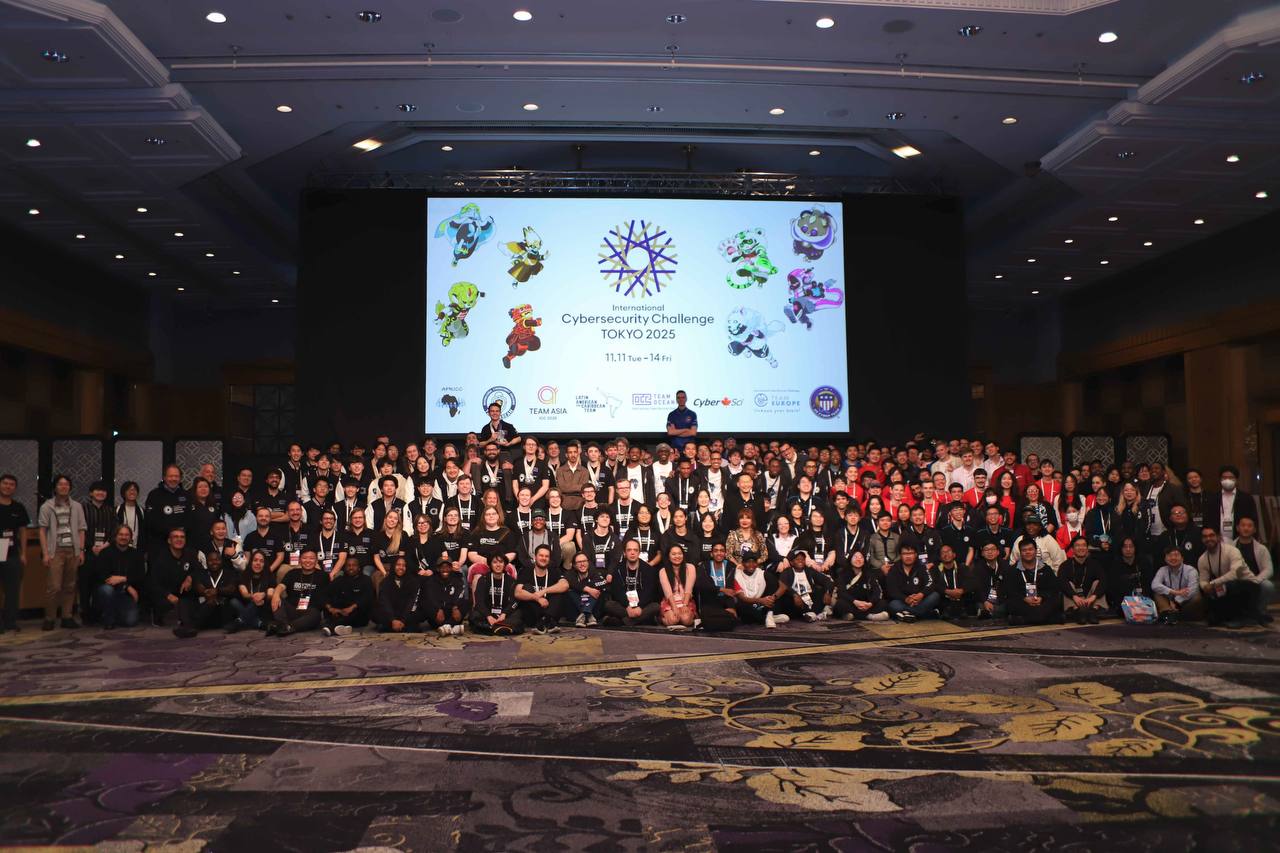 All ICC 2025 teams group photo, Tokyo.
All competing teams at ICC 2025 in Tokyo. Eight continents, one venue.
Before the competition
Arriving in Japan with the official AFRICC kit: the ICC Tokyo 2025 jersey, cap, tote bag, and a passport worth its stamps.
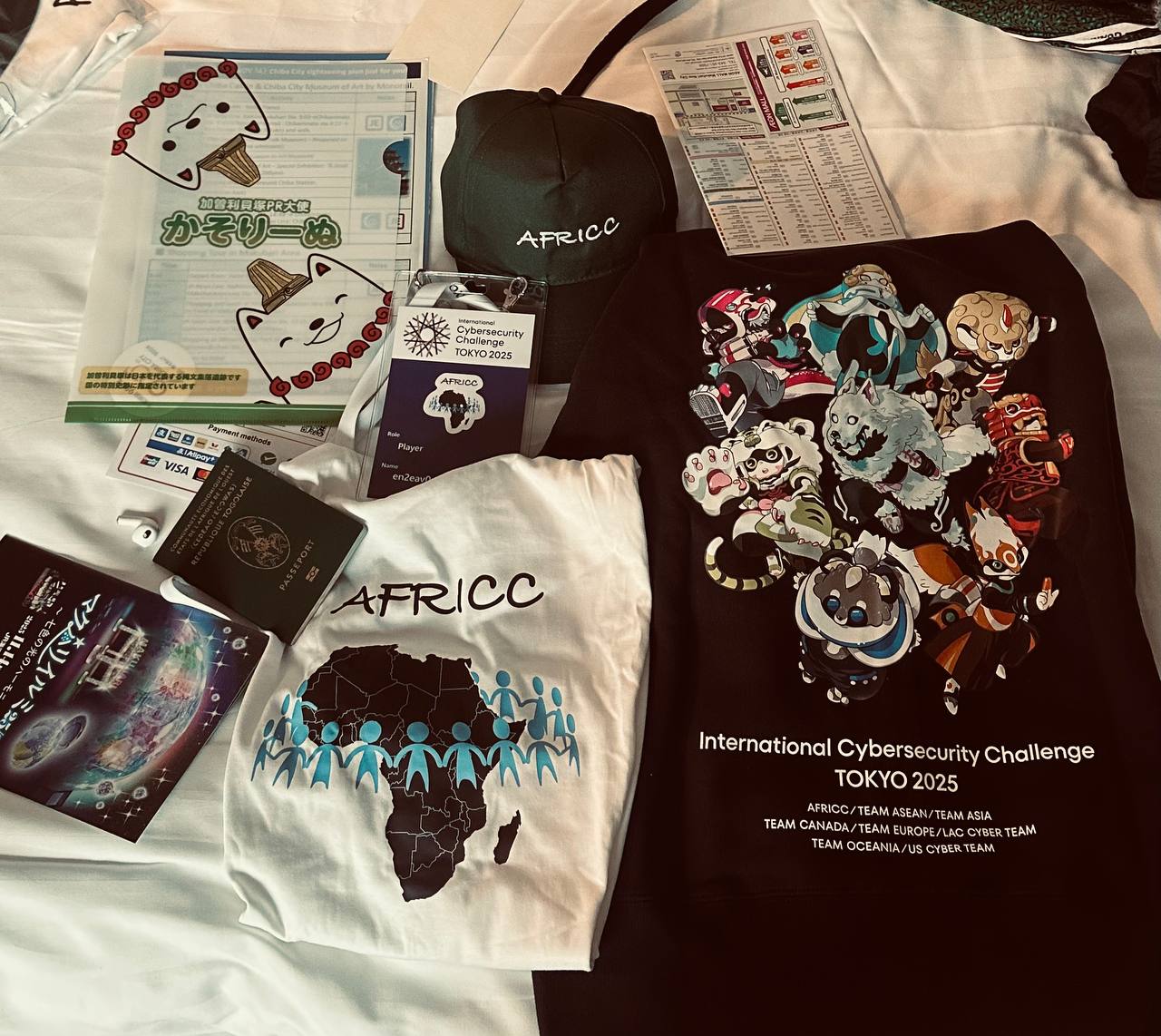 Official AFRICC ICC Tokyo 2025 kit.
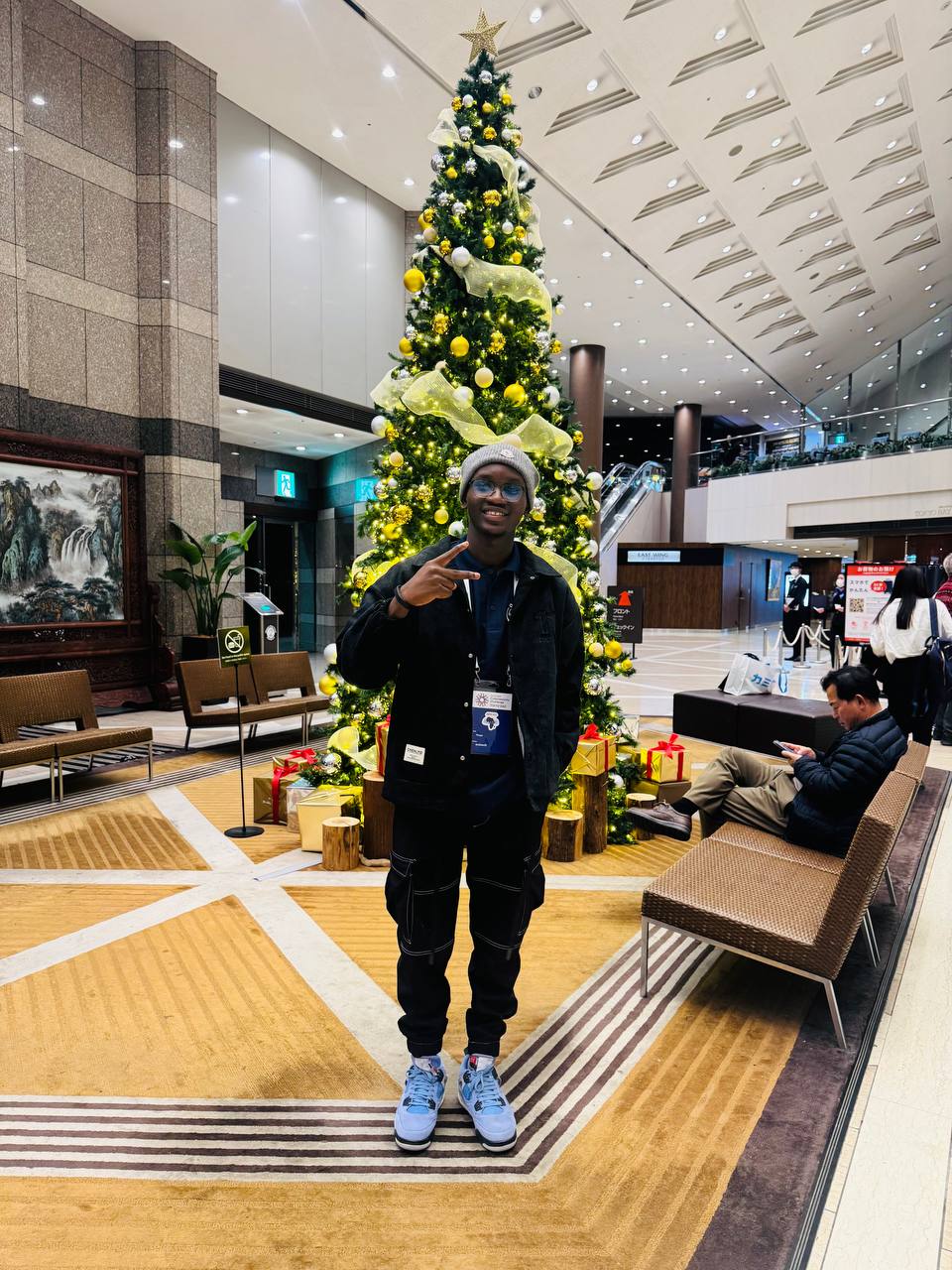 Charles at the New Otani Makuhari Hotel, Tokyo.
Arrived. Ready.
Competition format
Day 2: Jeopardy CTF (9 hours)
| Category |
|---|
| Web Exploitation |
| Reverse Engineering |
| Binary Exploitation (Pwn) |
| Digital Forensics |
| Cryptography |
| Cloud Security |
| FullPwn |
| Hardware Hacking |
| Blockchain / Web3 |
| AI / LLM Hacking |
AFRICC result: 7th place overall
Day 3: Attack & Defense CTF
Teams defend their own services while attacking opponents’ infrastructure at the same time. No rotation, no breaks. The most demanding format in competitive cybersecurity.
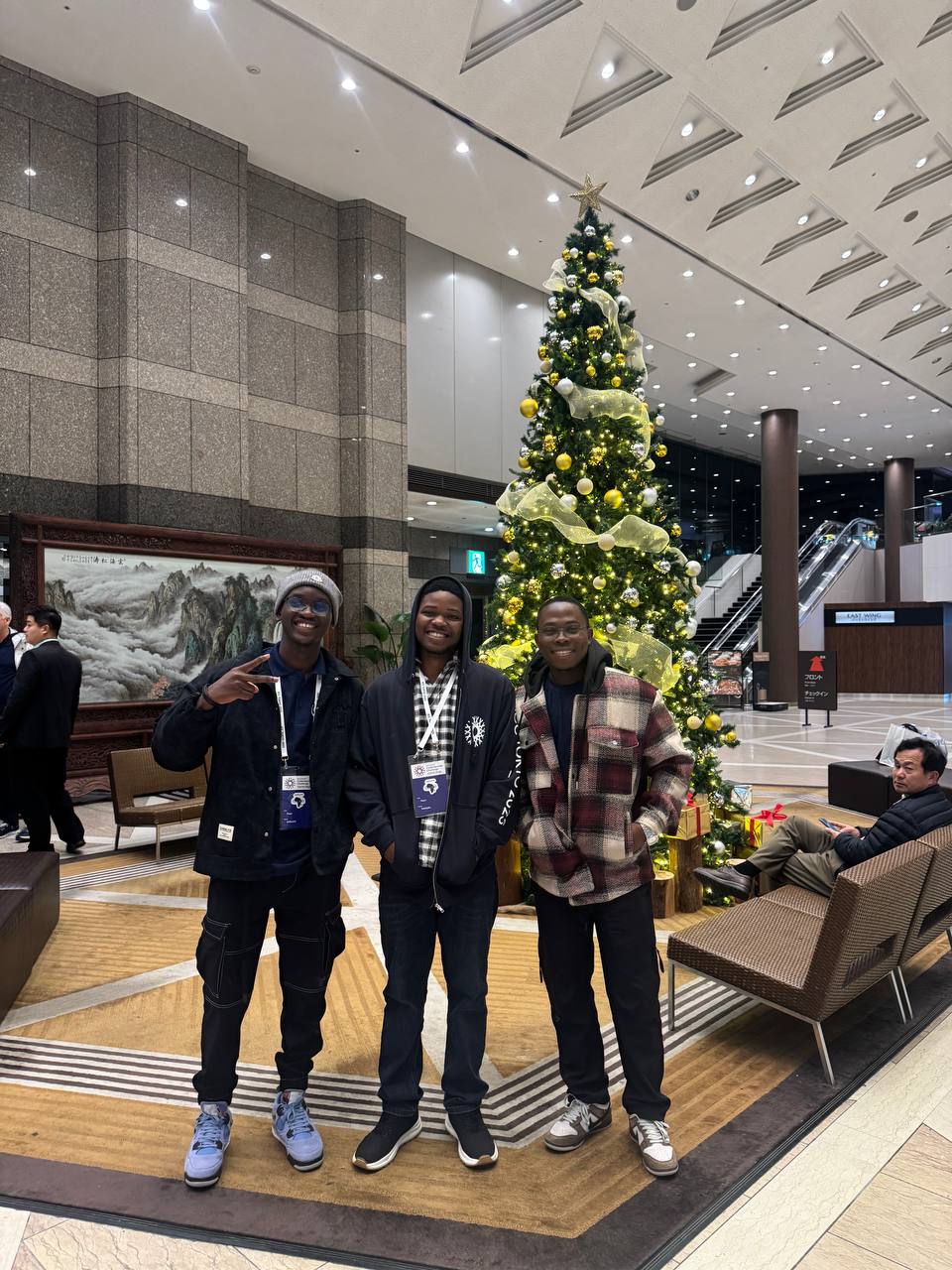 Charles with teammates at the hotel.
With teammates at the hotel between competition days.
Day 4: Tokyo
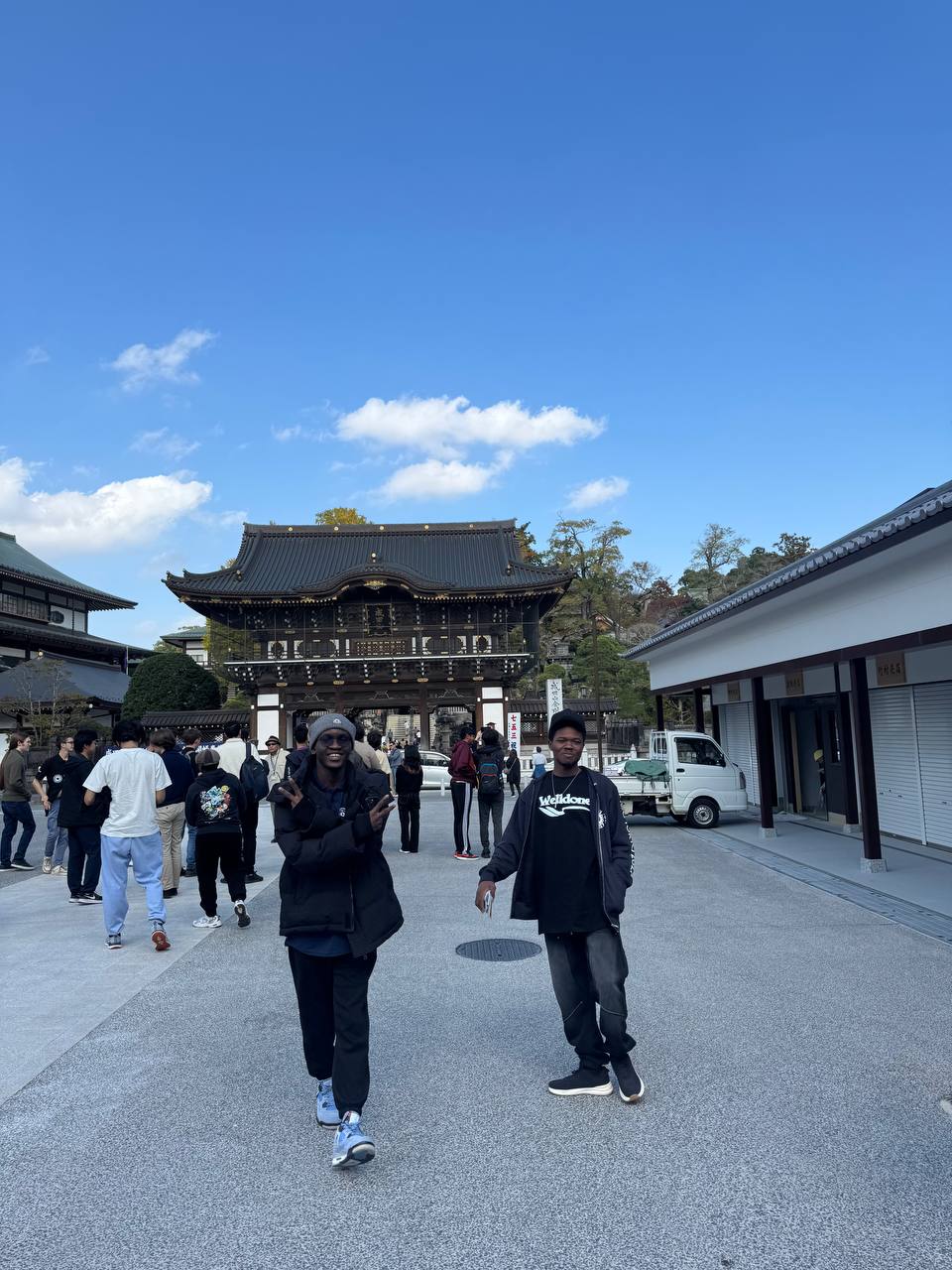 Charles and Uche at Naritasan Temple, Tokyo.
At Naritasan Temple with Uche, on the last day. Award ceremony and cultural visits rounded out the four days.
The day ended with the award ceremony, a commemorative coin for each participant, and a group photo that will stay with all of us.
What this meant
Getting selected for the ICC put me among the top young cybersecurity players on the African continent, under 26.
“If you want to be the best, you need to face the best, learn from them, push yourself to their level, and eventually surpass them.”
When I came back, I redesigned the IPNET CYBER CLUB’s methodology around that principle.
Bringing the experience home
ICC put me in a team of 17 players from more than 10 countries. We had to work across specialties and national backgrounds, then switch from Jeopardy to Attack & Defense. In the second format, an exploit is only half the work: your own services must stay online while the other teams attack them.
Back at IPNET, I changed parts of the IPNET CYBER CLUB training around what I had seen in Tokyo. Members needed practice outside their preferred category. They also had to explain solutions to the group and learn to coordinate under time pressure. I did not want the trip to end as one more line on my résumé.
The result belongs to Team Africa. This page records my selection and participation without attributing the team’s collective work to one player.